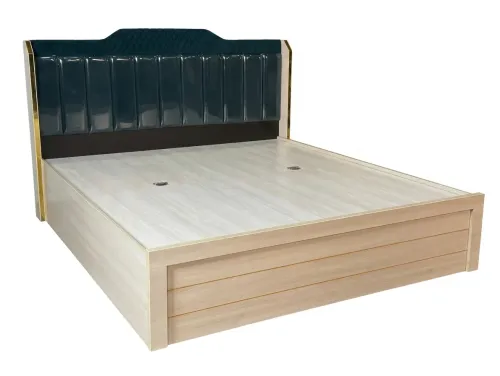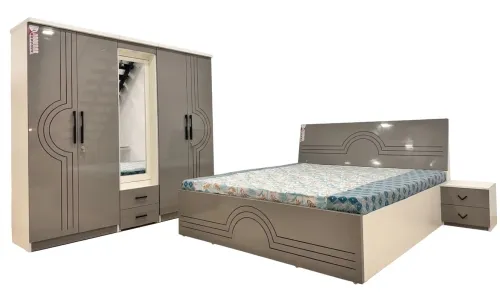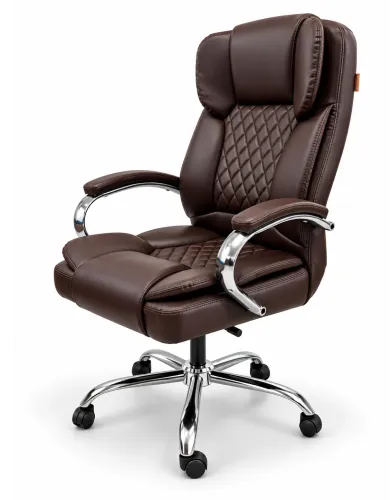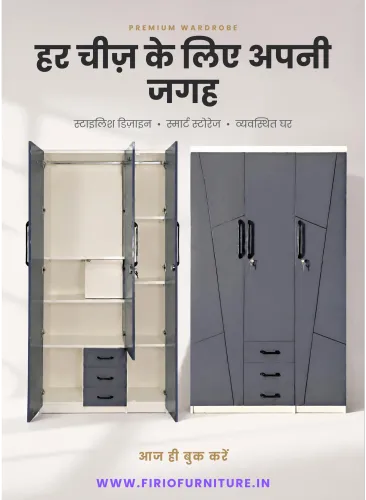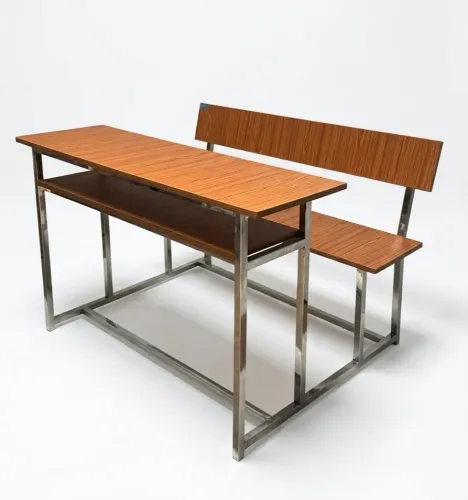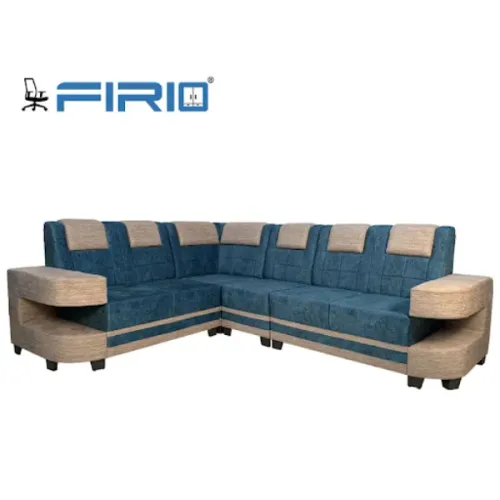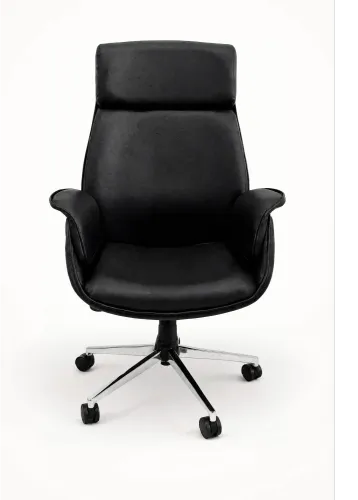
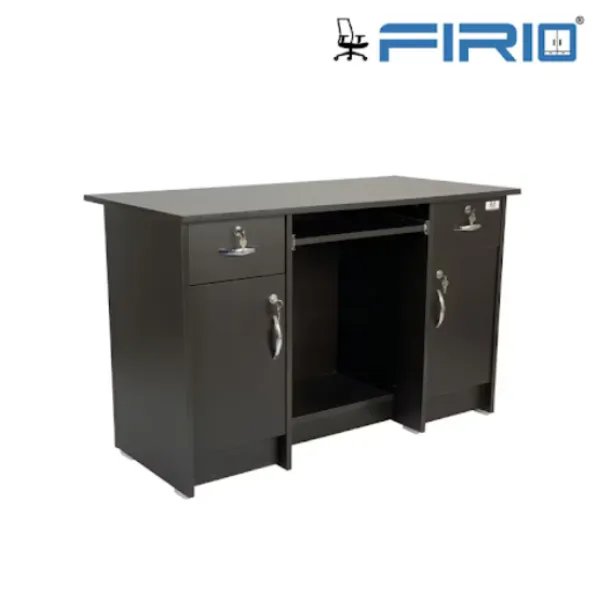
Schools, colleges, coaching centres, hospitals, training facilities, libraries, hostels, and other institutions place very different demands on furniture compared with most residential environments. Tables and chairs may be used by dozens of people every week, furniture may need to be rearranged frequently, and maintenance requirements can become significant when hundreds of units are installed across a facility.
Choosing an Institutional Furniture Manufacturer therefore requires more than comparing product photographs and initial quotations.
For institutions in Nagpur and other parts of Maharashtra, evaluating durability, standardization, maintenance, capacity, and user requirements can help create a more dependable procurement process.
Define the Application Before Requesting Quotations
Institutional furniture should be selected according to where and how it will be used.
A classroom desk has different requirements from library furniture. Laboratory tables, cafeteria seating, hostel furniture, staff-room tables, training chairs, and administrative desks also serve different purposes.
Before approaching a manufacturer, prepare a requirement list containing:
- Furniture category
- Required quantities
- Approximate dimensions
- User age group
- Expected usage intensity
- Storage requirements
- Space constraints
- Preferred materials
- Installation requirements
Clear specifications make quotations easier to compare.
Evaluate Construction Quality
Institutional furniture frequently experiences intensive daily use. Structural stability should therefore receive close attention.
Check how frames, joints, edges, surfaces, hardware, and moving components are constructed. Chairs should remain stable during repeated use, while desks and tables should provide appropriate load-bearing capability for their intended application.
Furniture with frequently used drawers, hinges, or storage shutters should have hardware suited to repeated operation.
Standardization Can Simplify Future Management
When large facilities purchase multiple furniture designs without standardization, replacement and maintenance can become complicated.
Using consistent dimensions, finishes, components, and furniture families can simplify:
- Replacement purchases
- Space reconfiguration
- Maintenance
- Spare component management
- Visual consistency
- Future expansion
Standardization is particularly valuable for educational campuses and institutions operating multiple rooms or departments.
Consider User Age and Ergonomics
Furniture dimensions should suit the people using it.
School furniture, for example, may need different dimensions for different student age groups. Staff workstations require different ergonomic considerations from classroom seating.
Healthcare institutions may need furniture that supports easier cleaning and specific user requirements, while training centres may prioritize flexible layouts.
The intended user should always be part of the specification process.
Ask About Production Capacity
A manufacturer may produce excellent samples but still struggle with a large order if production capacity does not match the project requirement.
For bulk procurement, discuss:
- Quantity capability
- Manufacturing timelines
- Delivery scheduling
- Installation requirements
- Quality consistency across batches
- Capacity for future repeat orders
These points are especially important when furniture installation must coordinate with a school opening, office launch, institutional expansion, or construction handover.
Compare Lifecycle Value Rather Than Price Alone
The lowest initial quotation may not represent the lowest long-term cost.
Furniture that requires frequent repairs or early replacement can become more expensive over its usable life. Institutions should therefore consider durability, maintainability, replacement availability, and expected usage alongside purchase price.
A slightly higher initial investment may be reasonable when it provides better suitability for intensive use.
Evaluate Local Project Support
Working with a manufacturer familiar with projects in Nagpur and Maharashtra can make site measurements, delivery coordination, customization discussions, and post-installation requirements easier to manage.
Firio Furniture Industries serves furniture requirements across residential, commercial, and institutional applications. For institutional buyers evaluating a project, the key is to communicate quantities, dimensions, timelines, applications, and installation conditions clearly before production begins.
A structured procurement process helps institutions move beyond surface-level comparisons. By evaluating construction, ergonomics, standardization, manufacturing capacity, lifecycle value, and project support, buyers can choose furniture that remains practical long after the initial installation is completed.
Keywords