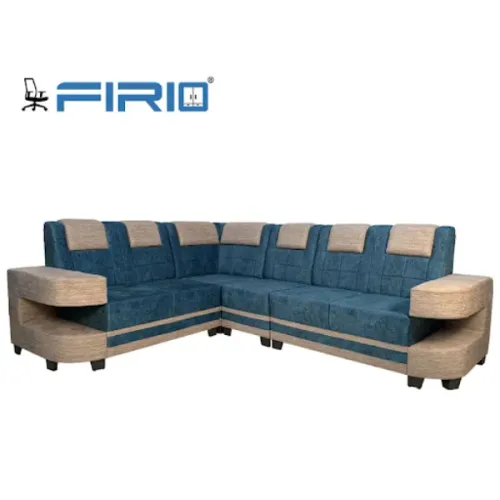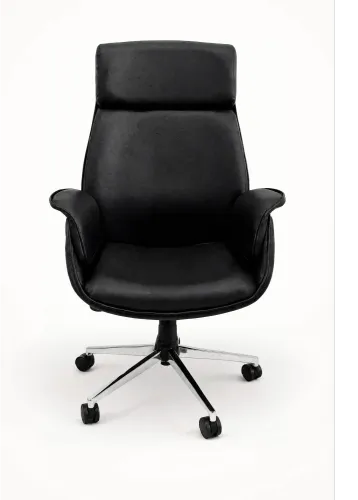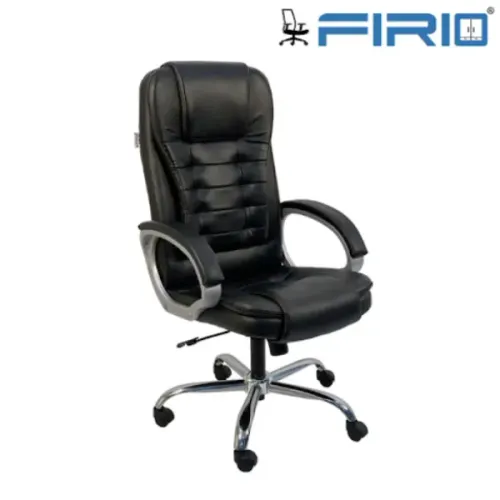
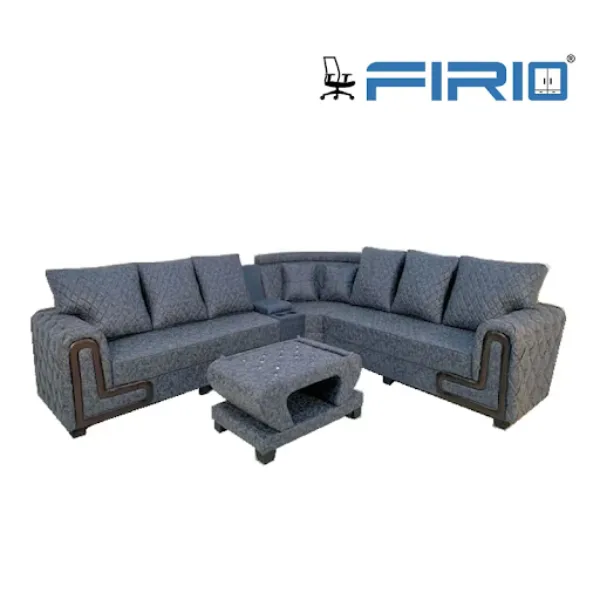
Buying furniture for a new home or replacing several existing pieces can involve a substantial investment. Homeowners often spend considerable time selecting colours and finishes but give less attention to measurements, storage requirements, materials, movement space, and long-term usability.
Choosing the right Home Furniture Manufacturer becomes easier when common purchasing mistakes are identified before the order is finalized.
For homeowners in Nagpur, Maharashtra, where apartments, villas, and independent homes can have very different room dimensions, furniture should ideally be planned around the actual property rather than selected from appearance alone.
1: Buying Before Measuring the Complete Space
Room length and width are only the beginning.
Furniture planning should also consider doors, windows, columns, electrical points, air-conditioning positions, skirting, passage widths, and other installed elements.
A large sofa may technically fit inside a living room but still restrict movement. Similarly, a wardrobe can fit along a wall while interfering with a switchboard or door opening.
Accurate site measurements help prevent these problems.
2: Choosing Appearance Over Daily Function
A piece of furniture can look impressive in a catalogue and still be inconvenient in everyday use.
Before selecting any item, ask practical questions.
How many people will use the dining table regularly? How much wardrobe storage is actually required? Does the sofa suit the family's seating habits? Does the television unit provide enough space for equipment and cables?
Function should establish the basic furniture configuration before decorative details are finalized.
3: Ignoring Internal Storage Design
Storage furniture should not be judged only by its external dimensions.
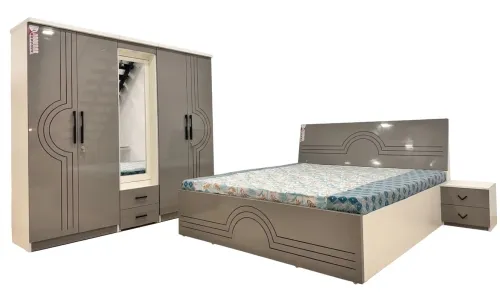
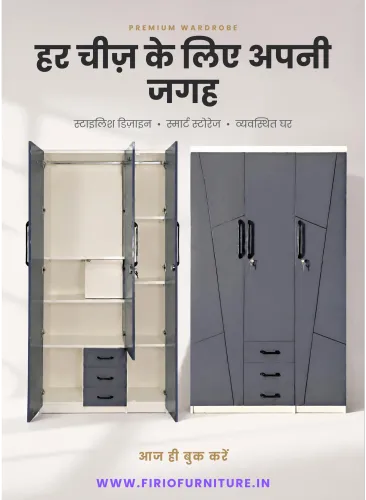
Two wardrobes with similar outer measurements can provide very different usability depending on shelf spacing, hanging sections, drawers, and internal divisions.
The same principle applies to television units, sideboards, beds with storage, shoe cabinets, and study furniture.
Plan storage around the objects that need to be accommodated.
4: Selecting Materials Without Considering Usage
Different furniture applications experience different levels of wear.
A frequently used dining table needs different surface characteristics from a decorative console. Children's furniture may require surfaces that are easier to maintain, while heavily used storage needs dependable hardware.
Discuss how and where each furniture item will be used before finalizing materials and finishes.
5: Forgetting Movement Space
Furniture should leave enough room for people to move comfortably.
This is particularly important around beds, dining tables, sofas, wardrobes, and frequently used passages.
Consider how doors and drawers open as well. A furniture arrangement that appears spacious when everything is closed may become inconvenient when wardrobe shutters, drawers, or cabinets are being used.
6: Following Trends Too Closely
Furniture often remains in a home for many years. Extremely trend-driven colours, unusual shapes, or highly specific design features can become difficult to coordinate when the room is updated later.
A balanced approach usually works better. Permanent furniture can use relatively adaptable design elements, while cushions, décor, rugs, lighting, and accessories can introduce changing trends.
7: Finalizing Without Discussing Installation
Large furniture may need to pass through lifts, staircases, corridors, and doorways before reaching its intended room.
This logistical aspect is easy to overlook.
Homeowners should discuss access conditions before manufacturing large pieces, particularly in apartments and multi-storey properties.
Firio Furniture Industries works with furniture requirements for different residential spaces in Nagpur. When evaluating a manufacturer, homeowners should discuss room dimensions, preferred layouts, storage expectations, materials, installation access, and practical usage rather than focusing on the final appearance alone.
Furniture performs best when it fits both the room and the household's routine. Avoiding measurement errors, unsuitable storage layouts, impractical materials, restricted movement, and installation problems can make the overall investment considerably more useful over time.
Keywords