Office furniture affects much more than the appearance of a workplace. The dimensions of desks, arrangement of workstations, chair ergonomics, storage accessibility, and movement space can influence how comfortably employees perform everyday tasks. This makes furniture planning an important part of office design rather than a purchase that should be handled only after the interiors are complete.
For businesses setting up offices in Nagpur, Maharashtra, working with an experienced Office Furniture Manufacturer can make it easier to select furniture according to available space, employee requirements, departmental layouts, and long-term usage.
Start With the Way the Office Functions
A practical office layout begins with understanding how people actually use the workplace.
A sales team may require collaborative seating and quick access to meeting spaces, while accounts or administrative departments may need greater privacy and organized storage. Senior management cabins often require a different furniture arrangement from open work areas.
Before selecting furniture, consider:
- Number of employees using the space
- Individual and shared work requirements
- Storage needs
- Frequency of meetings
- Visitor movement
- Electrical and data connections
- Future team expansion
- Available circulation space
These factors help determine suitable desk sizes, workstation configurations, storage units, chairs, meeting tables, and reception furniture.
Ergonomics Should Be Part of Furniture Planning
Employees may spend several hours each day at their desks. Poorly proportioned furniture can lead to uncomfortable working postures and unnecessary physical strain.
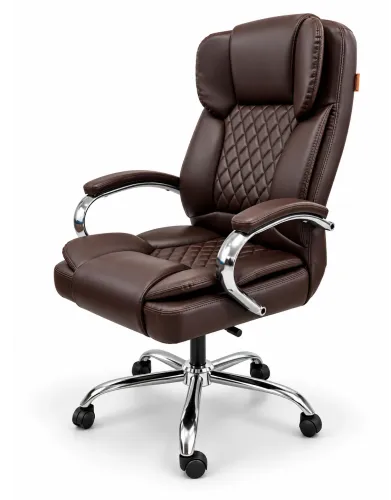
Office desks should provide sufficient legroom and working surface. Chairs should support comfortable sitting positions and allow appropriate adjustment where required. Monitor placement, keyboard position, and desk height also contribute to the overall ergonomic setup.
Ergonomic planning becomes particularly important in offices with long working hours, computer-based roles, and shared workstations.
Furniture Dimensions Need to Match the Space
Oversized furniture can make a workplace feel congested even when the office has sufficient floor area.
Compact offices benefit from appropriately scaled desks, vertical storage, modular workstations, and carefully positioned cabinets. Larger offices may accommodate collaborative tables, breakout seating, executive cabins, and dedicated conference furniture.
Accurate measurements should therefore be taken before manufacturing or ordering furniture.
Doorways, columns, windows, electrical points, air-conditioning systems, and circulation paths should also be considered.
Material Selection Influences Long-Term Use
Office furniture is used repeatedly throughout the working day. Materials should therefore be evaluated for durability, maintenance requirements, appearance, and suitability for the intended application.
For example, a reception desk has different functional requirements from a workstation used by an employee throughout the day. Similarly, conference tables, storage cabinets, executive desks, and cafeteria furniture may require different surface finishes and structural specifications.
Selecting materials according to actual use can reduce premature wear and simplify maintenance.
Flexible Layouts Can Support Future Changes
Businesses rarely remain exactly the same size. Teams expand, departments move, and work patterns change.
Furniture systems that allow reasonable reconfiguration can make these changes easier to manage. Modular workstations, movable storage units, adaptable meeting furniture, and standardized desk sizes can provide greater flexibility than highly restrictive layouts.
For growing businesses across Nagpur and other commercial areas of Maharashtra, this flexibility can be particularly useful when office space needs evolve.
Good Office Furniture Begins With Planning
The most effective workplace furniture does not simply fill empty floor space. It supports movement, employee comfort, organization, collaboration, privacy, and the everyday activities taking place inside the office.
Evaluating the office layout, workforce requirements, ergonomics, furniture dimensions, materials, and future expansion before making purchasing decisions creates a stronger foundation for a functional workplace.
A well-planned furniture arrangement can ultimately help businesses use available space more efficiently while creating an environment that remains comfortable and practical throughout the working day.
Keywords