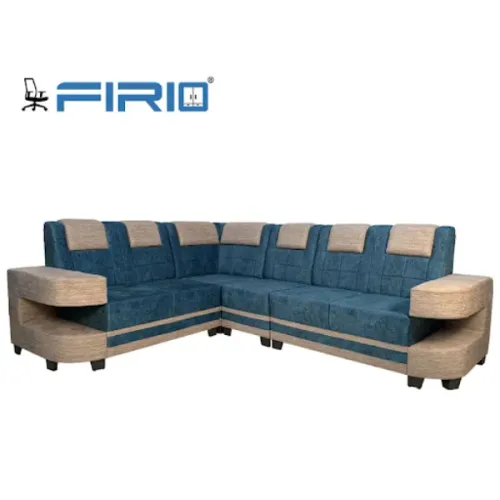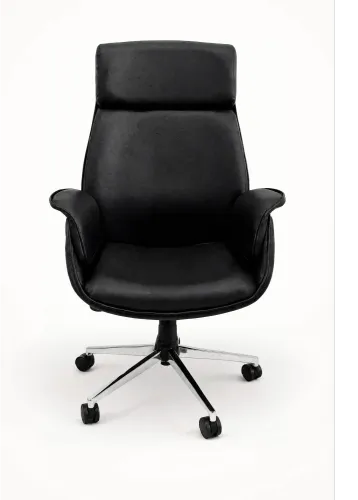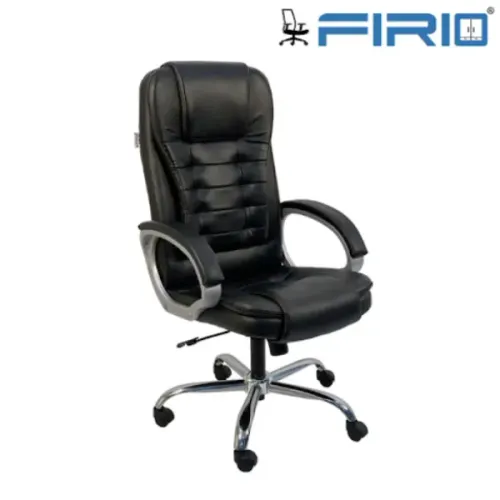
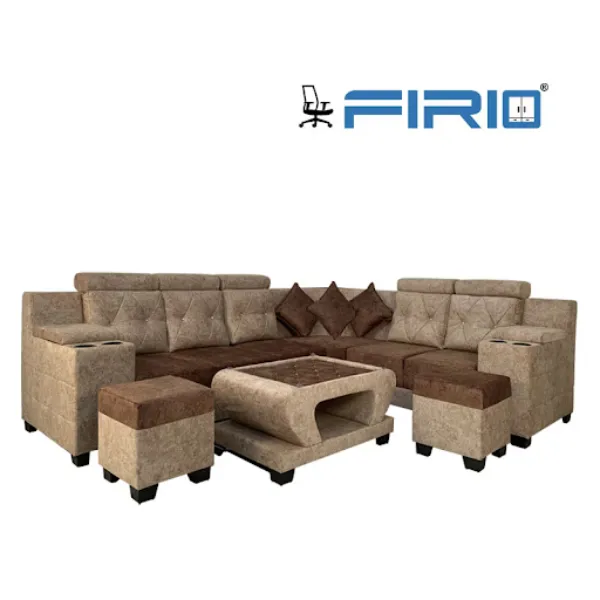
Office sofas are usually positioned in reception areas, waiting lounges, executive cabins, meeting spaces, and visitor zones. Because these areas often shape a visitor's first impression of the workplace, businesses may focus heavily on appearance when selecting seating.
Commercial use, however, introduces requirements that go beyond design. An Office Sofa Manufacturer should be evaluated on dimensions, construction, material suitability, comfort, maintenance, customization capability, and ability to handle the required quantity.
For businesses in Nagpur, Maharashtra, a structured evaluation can make commercial seating procurement more reliable.
Begin With the Exact Application
Reception seating has different usage patterns from an executive cabin sofa.
A busy clinic, corporate office, educational institution, showroom, or commercial reception may experience frequent visitor turnover. Seating in a private cabin may be used less intensively.
The expected usage should influence the frame, upholstery, cushion characteristics, dimensions, and overall configuration.
Measure the Area Before Selecting the Sofa
Commercial spaces need clear circulation routes.
A sofa that appears appropriately sized in a showroom can feel much larger when placed in a reception area alongside a desk, centre table, planters, and other furniture.
Record:
- Available wall length
- Sofa depth allowance
- Entrance clearance
- Passage width
- Distance from reception counters
- Lift and staircase access
- Door dimensions
These measurements help prevent both layout and delivery problems.
Examine Construction Details
A commercial sofa may be used repeatedly by people of different body weights and sitting habits.
Ask about frame construction, support systems, cushioning, stitching, legs, and other structural components. The objective is not simply to find the heaviest construction, but to ensure the sofa is suitable for its intended level of use.
Consider Maintenance Requirements
Reception and waiting furniture can require frequent cleaning.
Material selection should therefore consider the nature of the workplace. A corporate cabin may prioritize a particular visual finish, while a high-traffic reception may place greater importance on practical maintenance.
Colour selection also matters. Very light surfaces can show marks more easily in busy areas, depending on material and maintenance practices.
Assess Comfort According to Waiting Time
Not every commercial sofa needs the same seating characteristics.
A reception where visitors sit for a few minutes may have different requirements from a waiting lounge where people remain seated for longer periods.
Seat depth, back angle, cushion firmness, and arm support can all influence comfort.
Check Customization Capability
Standard sofa dimensions may not always suit commercial interiors.
An office may need a particular width to fit between architectural features, a specific upholstery finish to coordinate with brand interiors, or modular seating to accommodate an unusual reception layout.
A manufacturer's ability to work with dimensions and project specifications can therefore be valuable.
Discuss Delivery and Installation
Commercial furniture installation often needs to coordinate with other contractors.
Ask about expected production schedules, site access, delivery requirements, assembly, and placement. For larger projects, staged delivery may sometimes be necessary.
Firio Furniture Industries provides furniture solutions for office and commercial requirements in Nagpur. Businesses evaluating reception or lounge seating can discuss room measurements, usage intensity, quantity, preferred materials, and project timelines before finalizing specifications.
A dependable commercial sofa should remain comfortable, appropriately proportioned, maintainable, and visually suitable after the initial installation.
Rather than selecting office seating only from photographs, businesses can improve their decision by evaluating construction, dimensions, materials, maintenance, customization, and supply capability together. This creates a clearer basis for choosing furniture that fits both the workplace and its everyday visitor requirements.
Keywords