An office chair may appear to be a straightforward piece of furniture, but its design has a direct relationship with everyday working comfort. Employees in computer-based roles can spend a significant portion of the working day seated, making chair dimensions, adjustability, support, and material selection important considerations.
Understanding these factors before evaluating an Office Chair Manufacturer can help organizations choose seating according to actual workplace requirements rather than appearance alone.
For offices in Nagpur, Maharashtra, this becomes particularly relevant when furnishing multiple workstations, cabins, meeting rooms, training areas, and reception spaces.
One Chair Type Does Not Suit Every Application
Office environments usually contain several seating requirements.
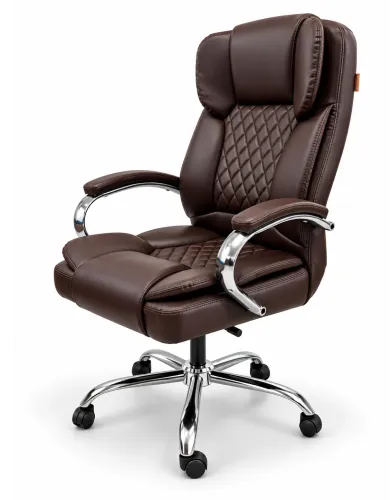
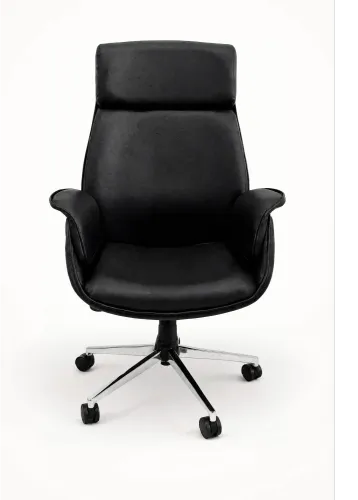
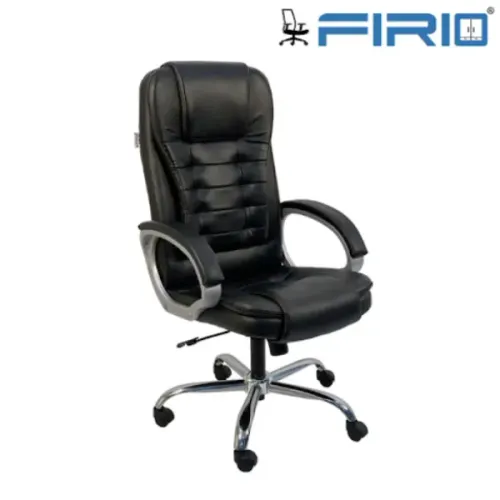
Task chairs are generally intended for employees working at desks for extended periods. Executive chairs may offer different dimensions and support characteristics. Meeting chairs are often designed for shorter periods of sitting, while visitor chairs need to provide comfort without requiring extensive adjustments.
Using one chair model throughout the entire workplace may simplify purchasing, but it may not provide the most appropriate seating for every area.
Adjustment Features Can Improve Usability
Employees differ in height, body proportions, desk setup, and sitting preferences.
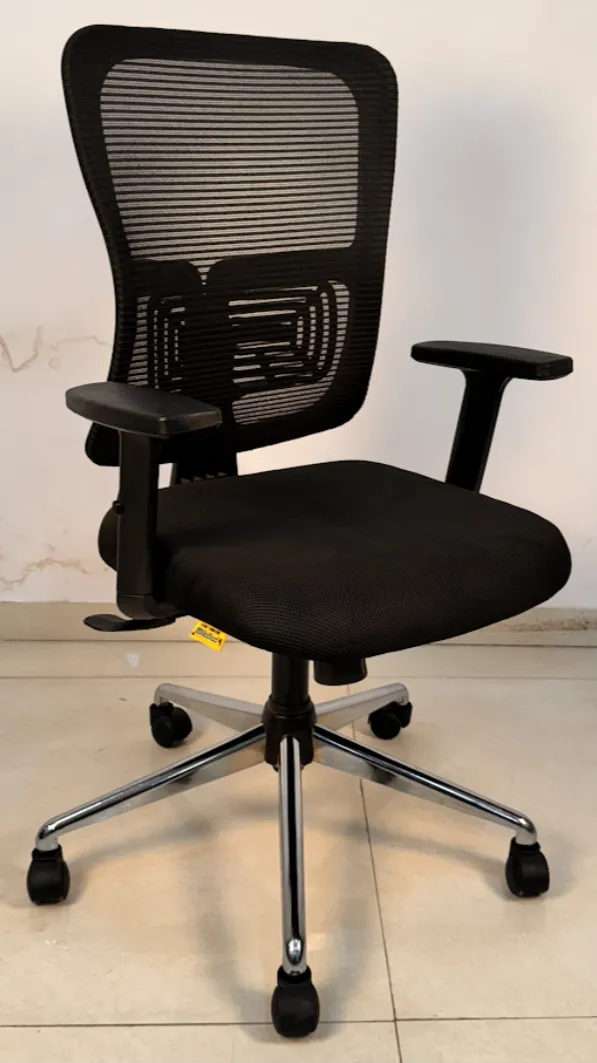
Adjustable seating can accommodate some of these differences. Depending on the chair design, useful features may include:
- Seat-height adjustment
- Backrest support
- Armrest adjustment
- Reclining mechanism
- Tilt control
- Head support
- Seat-depth considerations
- Stable caster movement
More adjustment is not automatically better. Features should be selected according to how the chair will actually be used.
Lumbar Support Deserves Attention
The lower portion of the back naturally has a curve. Seating that provides appropriate support can help users maintain a more comfortable posture during desk work.
However, lumbar support should not be evaluated in isolation. Seat height, desk height, monitor position, arm support, and the employee's sitting habits all contribute to the workstation setup.
A good chair cannot compensate completely for a poorly arranged desk.
Material Selection Affects Daily Comfort
Office chairs are available with mesh, fabric, upholstered, and other surface materials.
Mesh backs can support airflow, while upholstered seating may provide a different comfort experience. The suitability of each material depends on workplace conditions, usage duration, maintenance expectations, and design preferences.
In warm climatic conditions such as those experienced for much of the year in Nagpur, ventilation and material comfort can be relevant factors when selecting chairs for long-duration use.
Stability and Movement Matter
A chair should remain stable during normal sitting and movement.
The base, casters, swivel mechanism, and structural components all contribute to everyday usability. Flooring should also be considered because caster performance can differ across carpet, tile, wood, and other surfaces.
For meeting rooms or visitor spaces, fixed-leg seating may sometimes be more appropriate than rolling chairs.
Test Seating Whenever Practical
Product specifications provide useful information, but physical comfort can be subjective.
When purchasing chairs in larger quantities, organizations can benefit from assessing sample seating before finalizing a model. Employees with different body types can evaluate the chair's basic comfort, adjustments, arm position, back support, and ease of movement.
This can identify practical concerns that may not be obvious from photographs or catalogues.
Think in Terms of the Complete Workstation
The chair is only one part of ergonomic workplace planning.
Desk dimensions, monitor position, keyboard placement, foot support, lighting, and the employee's ability to change posture during the day also matter.
Businesses across Maharashtra planning new offices or upgrading existing furniture should therefore evaluate seating within the context of the complete workstation.
Selecting office chairs based on intended usage, adjustability, dimensions, material, stability, and compatibility with desks creates a more informed purchasing process. The objective should be to provide seating that supports comfortable everyday work rather than simply selecting a chair that looks suitable in the office.
Keywords